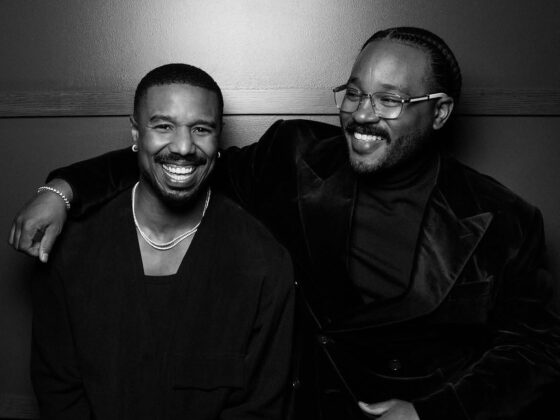


Recently, musicians Tiwa Savage and Seyi Shay shared a hug at an event after years of public disagreements. It’s a good place to start on the journey to forgiveness.
Forgiveness doesn’t mean nothing happened, it is more about protecting your peace and freeing yourself from the burden of unforgiveness especially when sufficient time may have passed.
So, how do you approach forgiveness?
**Accept that it happened: What happened, happened. No need to act like it didn’t. This situation that hurt, happened. The betrayal happened. The neglect happened. The disrespect happened. When you accept this fact, it is easy to move passed it after a while.
**Permit yourself to express how it makes you feel. You are human, feel the anger, the hurt and the pain. Let it out so it doesn’t fill you with bitterness.

**Forgiveness can happen without involving the other person. You can move on from what happened and forgive the person without any confrontation. That is a perfectly safe place to be.
**Reconciliation is not always necessary. You can forgive, but access can still be denied. You may free yourself from the situation, but still choose to cancel access. Access goes beyond reconciliation. Access has to be earned.
**Sometimes, you may decide to understand why someone acted the way they did. This is obviously for lesser/minor situations. You may decide to understand why she shouted at you, why she was dismissive of you or why she didn’t reach out to you when you wanted her to. Trying to understand where the other person is coming from doesn’t mean you have to justify why they did what they did.
**Forgiveness cannot be rushed. First heal from the hurt, talk to a therapist, write it out, rest on the support of loved ones, and then approach the situation at your own time when you are ready to get clarity.